In an era dominated by generative AI models, algorithmic triage, and touchless straight-through processing (STP), the insurance industry has spent billions attempting to automate the claims journey from end to end. Venture presentations and insurtech whitepapers often promise a frictionless future where machine vision assesses property damage instantly, predictive models settle casualty reserves, and claims close with zero human intervention.
Yet, when catastrophic losses hit an enterprise or complex liabilities threaten a company’s solvency, that narrative quickly collapses.
Claims management is the ultimate acid test of the insurance promise. It is the single moment where years of premium payments convert into tangible balance-sheet defense. While automated ingestion and optical character recognition (OCR) are exceptional for low-severity, high-frequency personal auto glass claims, high-stakes commercial claims still hinge on what coaches call fundamental “blocking and tackling”: careful investigation, technical policy interpretation, granular forensic negotiation, and empathetic communication.
At Skyscraper Insurance, we believe that real innovation does not mean replacing adjusters and claims advocates with black-box algorithms. The true key to operational success lies in investing in innovation that empowers claims professionals giving skilled human practitioners the leverage, analytics, and speed they need to drive better claim outcomes.
1. The Friction Points of Over-Automated Claims
The push for complete claims automation has created significant vulnerabilities across commercial P&C lines:
- Nuance-Blind Algorithmic Denials: Machine models excel at binary decisions, but complex commercial contracts are defined by manuscripted endorsements, carve-backs, and exceptions to exclusions. Automated claims routing regularly misinterprets manuscript language, triggering improper initial reservation of rights or outright claim denials that damage client relationships.
- Social Inflation and Litigation Traps: Aggressive plaintiff attorneys and litigation financing syndicates actively look for corporate delays and bureaucratic missteps. When a policyholder is treated like a ticket number in an automated queue, communication breakdowns occur driving claimants straight into the arms of plaintiff lawyers who convert routine general liability files into multimillion-dollar nuclear verdicts.
- The Empathy Deficit in Catastrophic Events: When a manufacturing plant burns down, a job site collapses, or an executive faces a regulatory subpoena, risk managers are not looking for a chatbot. They need a seasoned, decisive human partner who understands business continuity, policy wording, and the emotional and operational stress of a crisis.
The Claims Truth:
Algorithms analyze historical data; humans negotiate future resolutions. Efficiency metrics like “average handling time” mean nothing if algorithmic haste leads to a 30% increase in claim leakage or pushes a disputed file into bad-faith litigation.
2. Empowering the Professional: True Technology Innovation
The goal of modern insurance technology should not be human displacement, but cognitive enablement. Equipping claims specialists with modern tools transforms claims departments from reactive cost centers into strategic value drivers:
Automated Administrative Offloading
Claims adjusters spend up to 40% of their working hours on administrative friction: chasing police reports, manually indexing invoices, re-keying payroll records, and logging routine status inquiries. Investing in intelligent document processing and automated scheduling frees experienced adjusters to focus on the high-value fundamentals investigating cause of origin, evaluating liability exposure, and negotiating subrogation recoveries.
Predictive Analytics as an Advisory Co-Pilot
Instead of letting an algorithm make settlement determinations, advanced analytics should serve as a decision-support tool. Predictive severity modeling can flag a seemingly minor workers’ compensation soft-tissue strain that exhibits early indicators of complex regional pain syndrome (CRPS), alerting human adjusters early so they can intervene with specialized medical case management before costs spiral out of control.
Real-Time Geospatial and Thermal Telemetry
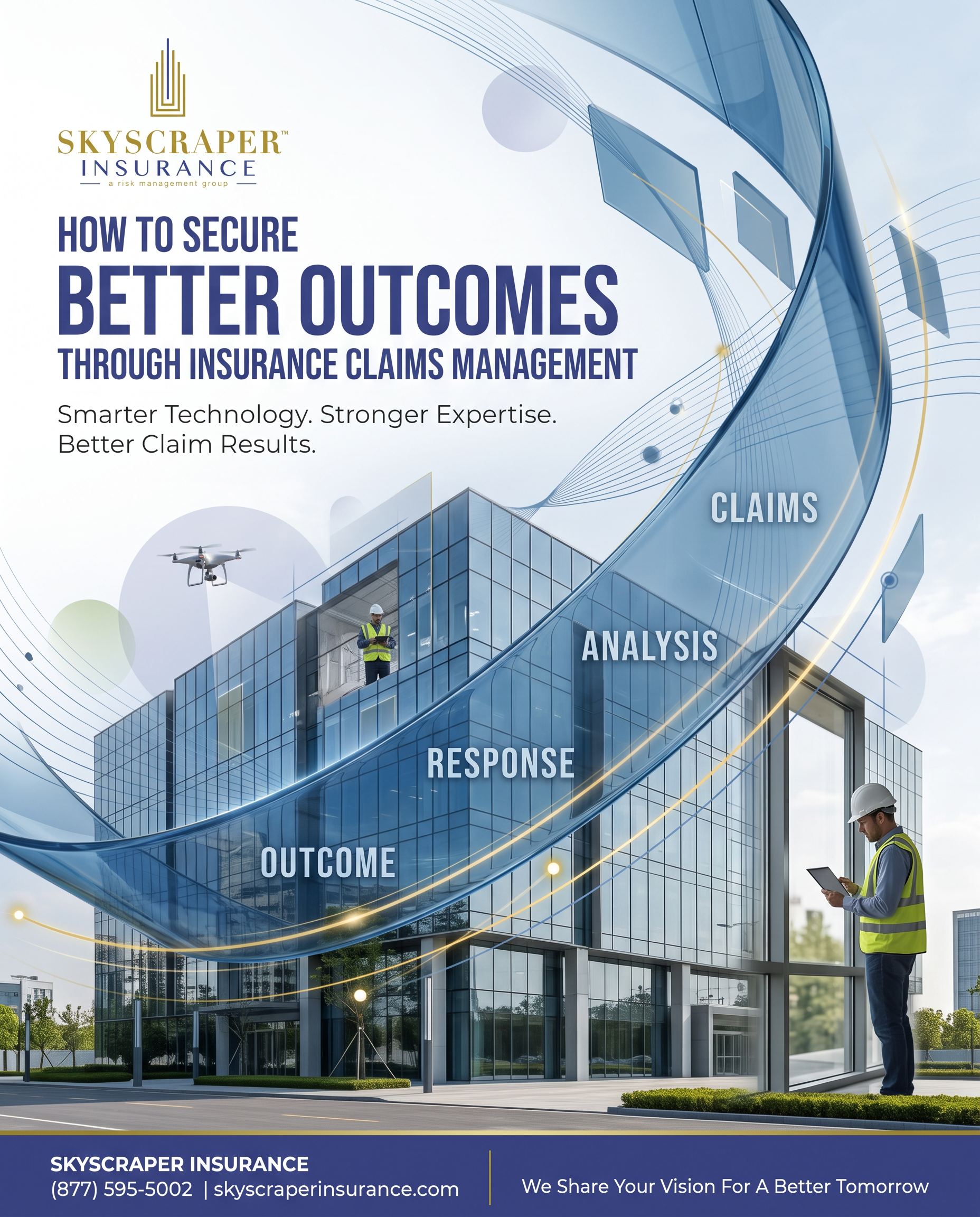
During major property and hurricane losses, drone surveys and geospatial thermal imaging give field adjusters unprecedented visual accuracy. Rather than waiting weeks for on-site visual inspections, adjusters armed with high-resolution aerial telemetry can confirm roof compromises, calculate square-footage damage accurately, and authorize substantial emergency advance payments within 48 hours of landfall.
The Algorithmic Myth vs. The Empowered Human Standard
Review how technology-augmented human claims handling outperforms purely automated or legacy administrative models:
| Claims Touchpoint | Pure Automated / Insurtech Myth | Legacy Manual Paperwork | The Empowered Professional (Skyscraper Standard) |
| First Notice of Loss (FNOL) | Generic web-form routing with pre-set auto-response templates. | Multi-day mail delays and physical paper file intake. | AI-Assisted Human Intake: Automated data sorting paired with immediate human advocate triage. |
| Coverage Analysis | Binary keyword scanning that misses manuscripted endorsements. | Slow manual review of multi-hundred-page policy jackets. | Specialist-Led Contract Forensics: Claims attorneys utilizing semantic search to affirm coverage instantly. |
| Complex Litigation | Rigid automated settlement formulas easily exploited by plaintiff counsel. | Reactive defense strategy directed weeks after initial filing. | Early Incident Intervention: Immediate deployment of pre-approved forensic experts to resolve disputes early. |
| Client Interaction | Self-serve portals and conversational AI chatbots. | Voicemails and unreturned status inquiry calls. | Dedicated Human Advocacy: Proactive strategy calls, operational empathy, and transparent updates. |
Take Control: Learn More
Technology in the insurance sector must serve a clear purpose: strengthening the execution of fundamental commitments. While platforms, tools, and predictive algorithms evolve, the core deliverable of a commercial policy remains unchanged: protecting an enterprise’s balance sheet when things go wrong.
At Skyscraper Insurance, we pair advanced risk engineering and claims technology with relentless, dedicated human advocacy. Our in-house claims specialists conduct forensic policy reviews, intervene directly on open reserving disputes, audit third-party administrators (TPAs), and stand side-by-side with your leadership team until every dollar owed under your contract is delivered.
Is your claims strategy backed by experienced human advocates with the technical tools to protect your business, or is your organization lost inside an automated claims queue?
Discover the difference that true claims advocacy and empowered professionals can make for your commercial risk program. Connect with our dedicated advisory team today and Learn More. We will execute a comprehensive claims and reserve audit of your active loss runs to ensure your balance sheet is protected by experts who know how to block, tackle, and deliver results.
Visit us at Skyscraper Insurance to schedule your claims program review today.