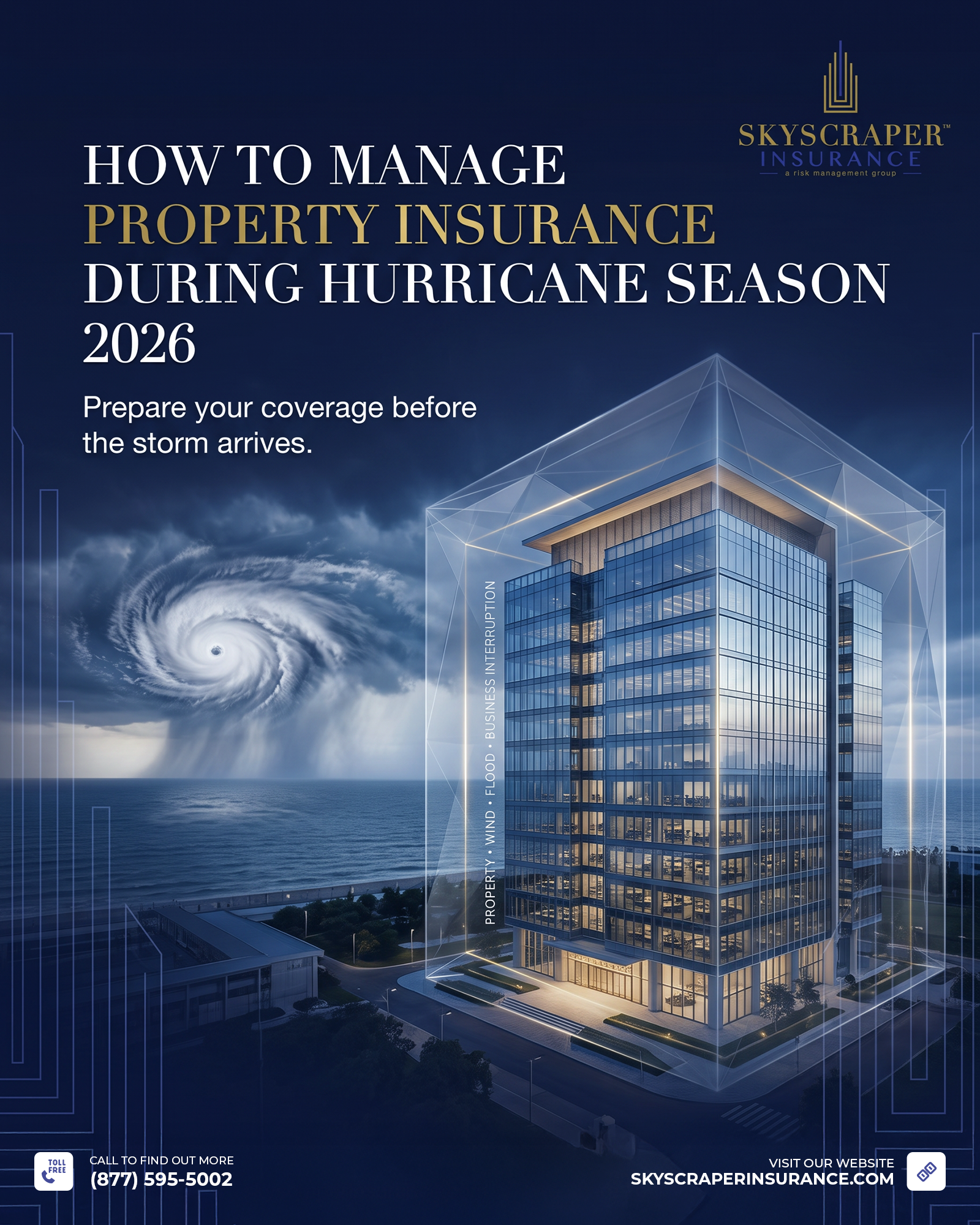
As coastal commercial property portfolios and critical infrastructure assets absorb the seasonal threat of major Atlantic storms, risk managers are tracking market capacity with unprecedented scrutiny. Catastrophe property insurance has long been dictated by the volatile boom-and-bust cycles of global treaty renewals, but the narrative defining today’s capital backstop is remarkably clear.
The global reinsurance industry is experiencing an extraordinary flood of confidence and liquidity.
Following consecutive cycles of disciplined rate corrections, structural attachment point adjustments, and surging investment income, the world’s leading reinsurers hold historic surplus capital exceeding $1.1 trillion. This financial cushion has fundamentally altered the underwriting landscape. Rather than pulling back capacity or triggering mid-season market freezes, reinsurers have established a rock-solid foundation capable of absorbing catastrophic landfalls without destabilizing primary insurance lines.
Yet, for enterprise operators and commercial real estate leaders, macro-reinsurer confidence must not be mistaken for complete primary coverage insulation. At Skyscraper Insurance, we look past top-line capitalization figures to examine what this liquid market means for your active property binders.
1. Capital Resilience: What Drives Today’s Reinsurance Strength?
The resurgence of reinsurance solvency is not an accident of calm weather, it is the direct outcome of disciplined underwriting and capital restructuring:
- Sustained Capital Surpluses: Global reinsurance surplus capital continues to hover near all-time highs, giving carriers the liquidity needed to meet claims obligations without triggering capital-replacement surcharges.
- Alternative Capital Inflows: Insurance-Linked Securities (ILS), catastrophe bonds, and collateralized reinsurance vehicles have drawn institutional investors seeking non-correlated yields, providing primary carriers with deep excess treaty capacity.
- Disciplined Combined Ratios: Reinsurers achieved combined ratios in the low-to-mid 90s, allowing them to remain profitable while building durable loss reserves.
The Capital Paradox: Global reinsurers achieved this balance-sheet stability by permanently raising attachment points. They now participate almost exclusively in higher-severity excess layers, leaving lower-tier, high-frequency convective storm and wind losses squarely on the shoulders of primary carriers and their commercial policyholders.
2. Navigating the Flood Risk Reality: Primary Terms vs. Macro Solvency
While reinsurers possess the liquidity to settle massive multi-billion-dollar catastrophic claims, the terms passed down to primary commercial policyholders demand active management:
The Water Surge vs. Windstorm Demarcation
One of the most contentious claims issues following hurricane landfalls remains the sharp legal and technical distinction between wind-driven rain and rising floodwaters. Standard commercial property binders cover direct wind damage but strictly exclude rising storm surge and surface inundation. Without dedicated commercial flood layers or specialized private flood carve-backs, enterprises face total coverage denials following storm landfalls.
Named Storm Percentage Deductibles
Reinsurance capacity has not rolled back the industry’s shift away from flat dollar deductibles. Coastal commercial binders enforce Named Storm Percentage Deductibles ranging from 2% to 5% of Total Insured Value.
Time-Element & Utility Interruption Extensions
Catastrophic flooding and windstorms routinely sever regional electrical grids and compromise municipal water lines. Standard business interruption forms often fail to respond if physical plant damage did not originate directly on-premises. Securing endorsements for Off-Premises Utility Services Interruption and Civil Authority Ingress/Egress ensures payroll, operating overhead, and net profit remain fully indemnified while surrounding infrastructure is repaired.
Macro Reinsurance Solvency vs. Commercial Policyholder Realities
Review how global reinsurance dynamics translate into technical property risk strategies:
| Market Element | Global Reinsurance Foundation | Primary Policyholder Reality | Strategic Execution |
| Capital Availability | Record surplus reserves (over $1.1T) providing reliable market liquidity. | Legitimate catastrophic property claims are guaranteed to be paid. | Confirms primary carrier stability and eliminates solvency default concerns. |
| Attachment Thresholds | Reinsurers maintain high attachment points to avoid routine frequency losses. | Primary carriers shift retention via steep percentage deductibles (2%–5%). | Structure dedicated deductible buyback policies to preserve working liquidity. |
| Flood & Surge Perils | Reinsurers comfortably price multi-peril catastrophe treaty aggregates. | Standard primary property binders strictly exclude storm surge and rising water. | Integrate dedicated primary and excess commercial flood insurance towers. |
| Underwriting Standards | Machine learning and geospatial imagery used to audit portfolio exposures. | Carriers enforce strict property maintenance, roof condition, and age limits. | Perform pre-renewal geospatial roof audits to eliminate underwriting friction. |
Take Control: Assess Risk
Entering the final quarter with unverified flood boundaries or unhedged percentage deductibles leaves your organization exposed to severe cash-flow shocks.
At Skyscraper Insurance, we specialize in commercial property catastrophe resilience and risk engineering. Our advisory specialists audit your active property towers, evaluate named storm percentage deductibles, verify commercial flood allocations, and structure excess catastrophe layers with leading global underwriters.
Does your commercial property program capitalize on reinsurance market liquidity, or are hidden water and deductible exclusions putting your operations at risk?
Don’t wait for a coastal weather system to test the financial boundaries of your coverage. Take command of your catastrophe preparedness today, connect with our commercial property specialists, and Assess Risk. We will execute a forensic policy wording audit and deductible stress-test to ensure your enterprise stands fortified through every storm.
Visit us at Skyscraper Insurance to schedule your property portfolio review today.