The first quarter of the year often sets the tone for claims activity ahead. As we move through early 2026, clear patterns are already emerging across industries. These trends are providing valuable insight into where losses are developing, how carriers are responding, and what businesses should address now to protect pricing, coverage, and operations.
Early Claims Activity Is More Than Noise
Q1 claims are not random. They frequently reflect unresolved risks from the prior year, delayed reporting, and operational stress points that surface after year-end audits, renewals, and staffing changes. Understanding these signals early allows businesses to adjust before small issues grow into costly long-term exposures.
Workers Compensation: Lagging Claims Are Surfacing
One of the most noticeable trends is the emergence of workers compensation claims tied to injuries that occurred late last year but were reported in Q1. These delayed claims often involve repetitive stress injuries, slip-and-fall incidents, and aggravated pre-existing conditions. When claims surface late, they tend to be more complex, more expensive, and more disruptive to experience modifiers.
Payroll and Classification Disputes Are Increasing
We are also seeing an uptick in disputes related to payroll estimates and class code assignments. End-of-year payroll reconciliations are triggering corrections that directly affect claim reserves and future premiums. Inaccurate classifications discovered after a claim occurs can significantly impact claim handling and audit outcomes.
Property Claims Driven by Winter Losses
Early 2026 property claims are heavily influenced by winter weather events. Freeze-ups, water damage, roof collapses, and equipment failures remain the most frequent causes of loss. Many of these claims reveal underreported building values, outdated replacement cost estimates, and deductibles that were not fully understood at the time of purchase.
Business Interruption Expectations vs. Reality
Q1 claims continue to expose misunderstandings around business interruption coverage. Businesses often expect faster recovery payments or broader coverage than their policies actually provide. Waiting periods, sublimits, and documentation requirements are creating friction during claims, emphasizing the importance of realistic continuity planning and policy alignment.
Liability Claims Are Becoming More Documentation-Driven
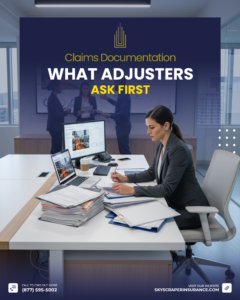
Liability carriers are placing increased emphasis on documentation quality early in the claims process. Inadequate incident reports, missing contracts, or incomplete certificates of insurance are slowing resolution and increasing defense costs. Early 2026 claims show that strong documentation practices can materially influence outcomes.
Auto and Fleet Claims Are Trending Upward
Commercial auto claims are increasing across several sectors, particularly in winter driving conditions. Distracted driving, delivery pressures, and aging fleets are contributing factors. Early claims activity suggests that fleet safety programs and driver accountability measures will play a larger role in underwriting decisions later this year.
Cyber and Technology-Related Claims Continue to Evolve
While cyber claims volumes remain steady, their complexity is increasing. Claims are involving multiple vendors, extended downtime, and layered regulatory obligations. Early 2026 incidents are reinforcing the importance of understanding policy sublimits, approved vendors, and response timelines before an event occurs.
Claims Reserves Are Under Scrutiny
Carriers are paying closer attention to open claim reserves in Q1. Unresolved or poorly managed claims from prior years are influencing renewal conversations earlier than ever. Businesses that proactively review reserves and challenge inaccuracies are better positioned for stable pricing.
What These Trends Mean for 2026 Planning
Early claims trends indicate that waiting until renewal to address issues is no longer effective. Claims strategy must be proactive, continuous, and integrated with risk management, operations, and finance. Businesses that treat claims as a data source—not just an insurance function—gain a measurable advantage.
Turning Insight Into Strategy
The most successful organizations use Q1 claims activity to adjust safety programs, refine documentation standards, revisit coverage assumptions, and strengthen internal reporting protocols. Small adjustments made early can significantly reduce total cost of risk by year-end.
At Skyscraper Insurance, we work closely with clients to analyze early claims trends, review open reserves, and align claims handling with long-term risk strategy. Our claims strategy reviews focus on reducing friction, improving outcomes, and positioning businesses for a stronger 2026.