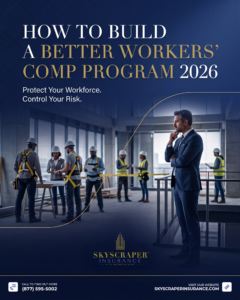
Construction projects carry unique risks long before a building is finished and occupied. From the moment materials arrive on site until final completion, property exposures exist that are not covered by standard property or liability policies. Builder’s risk insurance is specifically designed to protect construction projects during this vulnerable phase, safeguarding the financial investment tied up in labor, materials, and progress.
For custom builds and complex projects, builder’s risk coverage must be carefully structured to reflect real-world exposures, not just baseline estimates.
What Builder’s Risk Insurance Covers
Builder’s risk insurance provides first-party property coverage for buildings under construction. It typically protects against physical loss or damage caused by covered perils such as fire, wind, theft, vandalism, and certain types of water damage. Coverage applies to the structure itself as it is being built, as well as materials, supplies, and equipment intended to become a permanent part of the project.
Policies can be written for residential, commercial, and mixed-use construction projects and are often required by lenders, owners, or investors.
Custom Materials Create Unique Exposure
Custom materials significantly increase risk on construction projects. Specialty finishes, imported materials, custom millwork, high-end fixtures, and long-lead items often represent a large portion of a project’s value. If these items are damaged or stolen, replacement costs and delays can be substantial.
Many builder’s risk claims fall short because materials were undervalued or not properly scheduled. Proper valuation ensures that custom materials are insured at replacement cost, not generic estimates that fail to reflect actual exposure.
Delays Can Be as Costly as Physical Damage
Physical damage is only part of the risk. Construction delays caused by covered losses can lead to increased labor costs, extended financing expenses, lost rental income, and missed completion deadlines. In some cases, delays can trigger penalties under contracts or leases.
Builder’s risk policies can include soft cost or delay-in-completion coverage to address these financial impacts. Without these enhancements, project owners may face significant out-of-pocket losses even after physical damage is repaired.
Valuation Is the Foundation of Effective Coverage
Accurate valuation is critical to builder’s risk coverage. Underinsuring a project can lead to coinsurance penalties, reduced claim payments, or uncovered losses. Overestimating value can result in unnecessary premium costs.
Proper valuation considers total completed value, including labor, materials, overhead, profit, and custom components. It also accounts for staged deliveries, materials in transit, and items stored off-site when applicable.
Skyscraper Insurance works with builders, developers, and owners to ensure project values reflect true exposure throughout the construction timeline.
Who Should Be Named on a Builder’s Risk Policy
Builder’s risk policies often involve multiple parties, including owners, general contractors, subcontractors, and lenders. Naming the correct insureds and additional interests is essential to avoid coverage disputes during a claim.
Clear policy language helps ensure that all parties with a financial interest in the project are protected and that claims are handled efficiently without delays caused by ownership questions.
Common Gaps in Builder’s Risk Policies
Many builder’s risk policies contain exclusions or limitations that can surprise project stakeholders. Common gaps include inadequate coverage for flood or wind in certain regions, limitations on theft of materials, insufficient coverage for testing and commissioning, and lack of coverage for off-site storage.
Understanding these gaps before construction begins allows coverage to be tailored and endorsements added where necessary.
Project-Specific Policies vs. Blanket Programs
Some contractors rely on blanket builder’s risk programs that cover multiple projects. While these can be efficient, they may not provide adequate limits or flexibility for custom or high-value builds. Project-specific builder’s risk policies allow for precise valuation, customized terms, and coverage enhancements aligned with the specific risks of the job.
For custom homes, commercial developments, and large-scale projects, a project-specific policy often provides superior protection.
How Skyscraper Insurance Structures Builder’s Risk Coverage
Skyscraper Insurance takes a proactive approach to builder’s risk insurance. We review construction contracts, project timelines, material specifications, and delivery schedules to identify exposures that standard policies may overlook. Our goal is to ensure coverage responds fully to both physical damage and financial disruption.
We work closely with builders, developers, and owners to structure policies that align with lender requirements, contractual obligations, and real-world construction risks.
Protect the Project Before the Keys Are Turned
Builder’s risk insurance is not just a formality. It is a critical financial safeguard that protects projects before they generate revenue or reach completion. Proper valuation, coverage for custom materials, and protection against delays can make the difference between a manageable setback and a major financial loss.
If you are planning or currently managing a construction project, now is the time to review your builder’s risk coverage and ensure it truly protects your investment from start to finish.